A New Teammate May Need More Than an Introduction
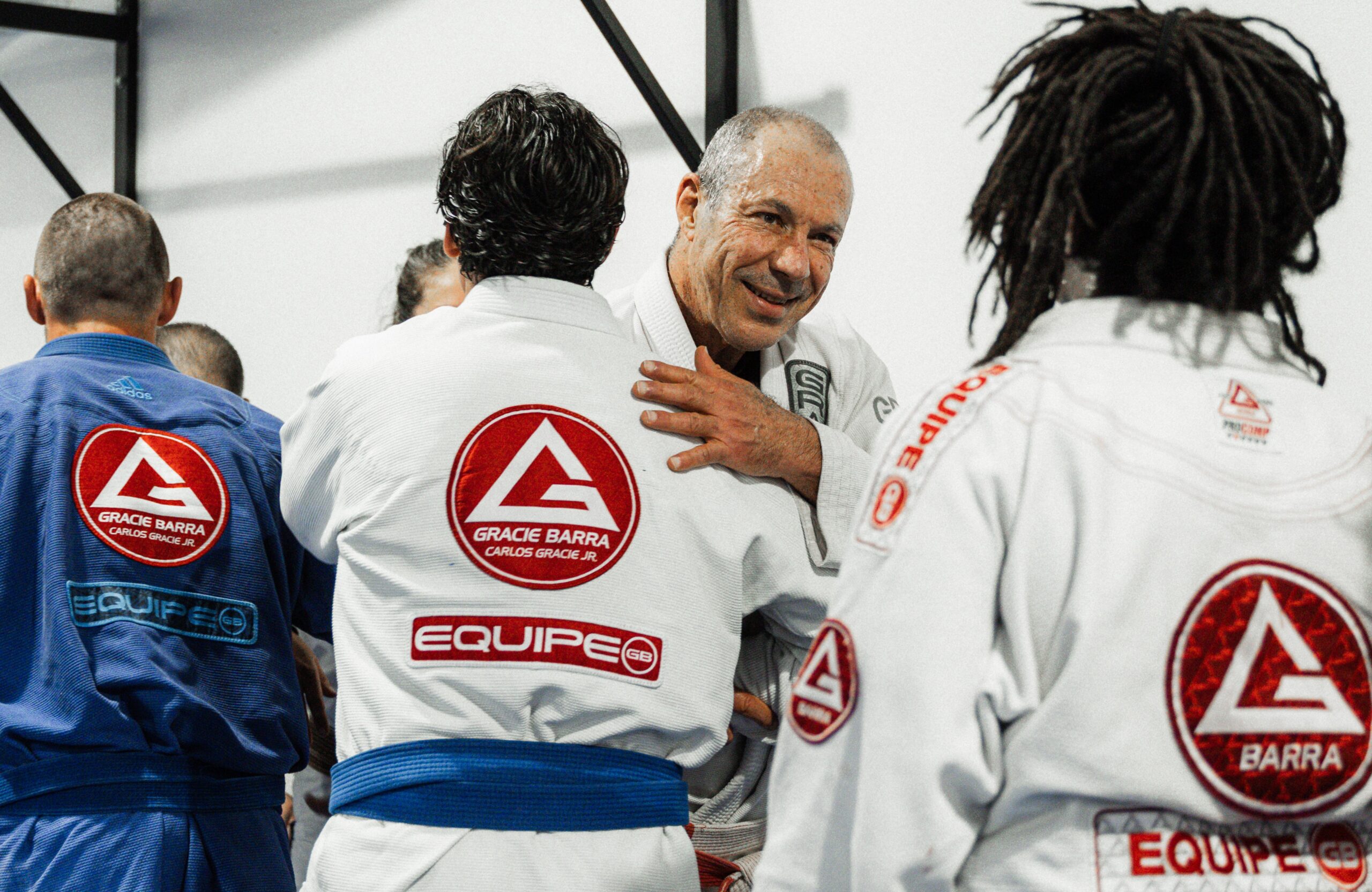
It is easy to remember the movements from your first Brazilian Jiu-Jitsu class and forget how many small things were unfamiliar: where to stand, when to find a partner, and whether it was all right to ask for help. If you want to welcome a new BJJ teammate, begin with a simple hello and let them decide how much help they want. At Gracie Barra Morgan Hill, a friendly class begins with the people who share the mats.
You do not need to teach the lesson or make a newcomer feel instantly comfortable. Small, respectful actions can make it easier for someone to take part in class and find their own place in the group. Here are five ways to put that idea into practice.
DISCOVER Gracie Barra Morgan Hill
CLICK HEREMake the First Moments Easier
1. Say Hello Without Putting Them on the Spot
Introduce yourself and ask a straightforward question, such as whether this is their first class. Offer your name, then leave room for a short answer. A newcomer may welcome a conversation, or they may prefer a few quiet minutes to take in the room.
Avoid calling attention to them in front of the whole group or asking why they decided to start. The point is to give them one familiar person to recognize when class begins. If they ask what happens next, the beginner class overview offers a useful picture of the training experience, while our instructors can confirm the details for that day.
2. Help With One Practical Question
Think of the ordinary details that felt confusing on your own first day. You might show someone where to wait before class or point them toward an instructor when they have a question. Keep your help small and specific; an explanation of every rule before class begins can be harder to absorb than the class itself.
If you are unsure about clothing, class placement, or an unfamiliar instruction, ask our team together. The GB1 fundamentals program is designed to introduce newcomers to Brazilian Jiu-Jitsu, but the people leading a visit are best placed to explain how that particular class works.
Be a Thoughtful Partner on the Mats
3. Practice at the Pace of the Lesson
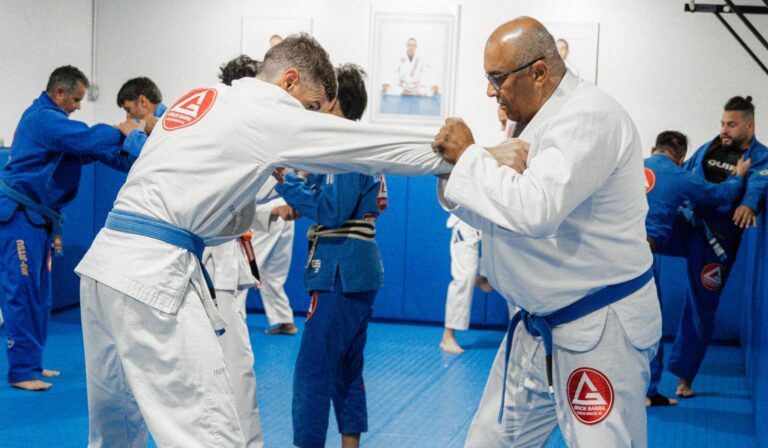
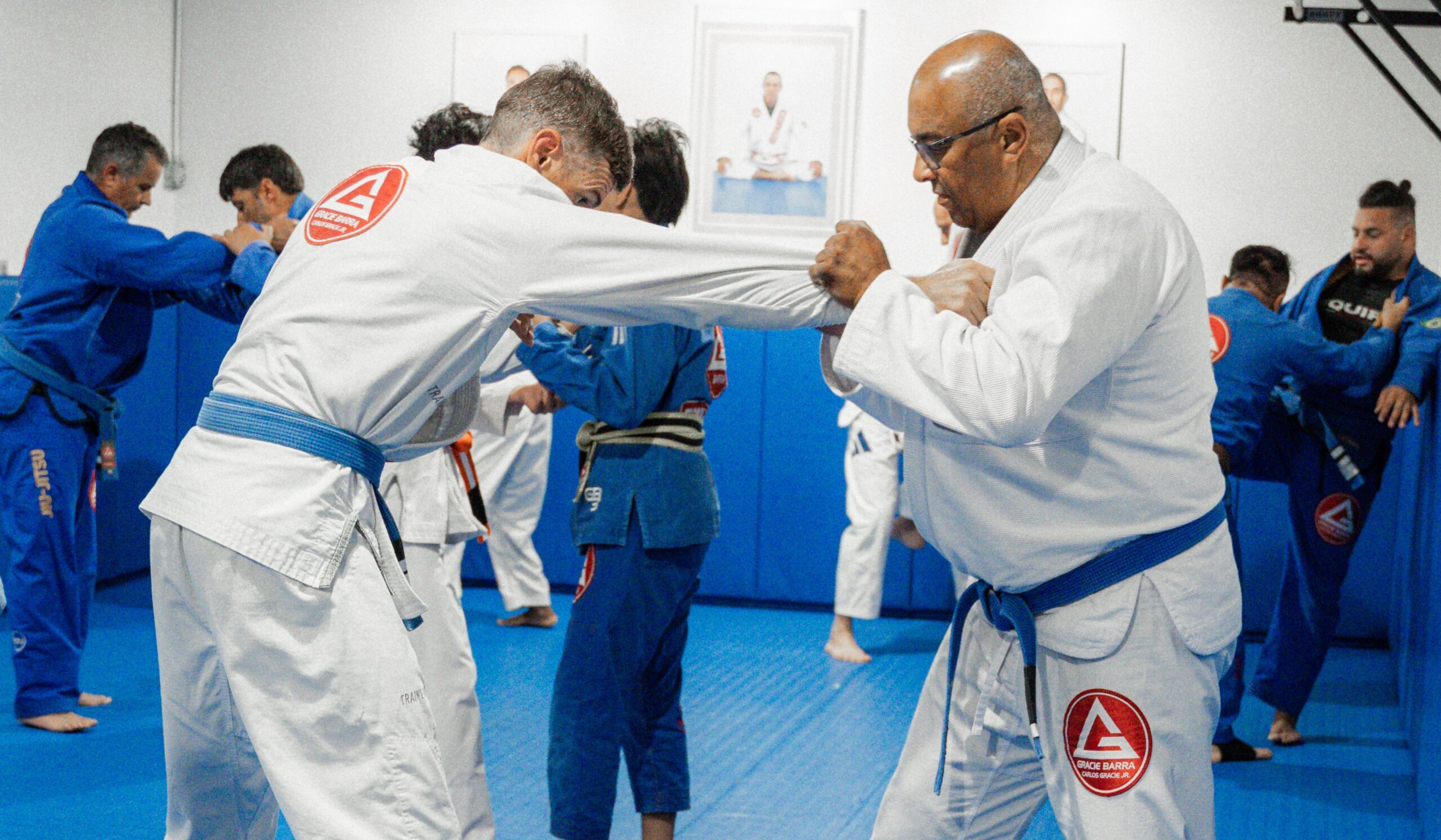
Partner work is a chance to help a new student participate in what the instructor has just shown. Listen to the explanation, practice the assigned movement at a manageable pace, and give your partner time to try it. If either person loses track of a step, ask for a demonstration instead of improvising a new lesson.
This matters because someone who is new may be learning the vocabulary and the rhythm of partner practice at the same time. A partner who pauses, checks understanding, and follows the instructor’s direction makes it easier to concentrate on the task. Our guide for Jiu-Jitsu beginners introduces common class ideas that can help a newcomer put those moments in context.
4. Give Them Room to Ask Questions
After a drill, a brief “Did that make sense?” is enough. Some people want to ask what a word means; others want another chance to repeat the movement. Listen to the answer before offering your own interpretation, and bring the instructor into the conversation when a detail needs correction.
Do not evaluate a new teammate’s ability from one round. Early classes are full of unfamiliar choices. Encouraging someone to ask a clear question can help more than telling them they are doing everything perfectly. At Gracie Barra Morgan Hill, we want practice with partners to leave room for learning, patience, and attention to each person’s comfort.
5. Include Them Beyond a Single Drill
A welcoming moment can continue after you switch partners. If the newcomer looks unsure when the group changes activities, make space for them to join the next pairing or point them toward someone available. That is a practical way to include a person without assuming they need you beside them for the entire session.
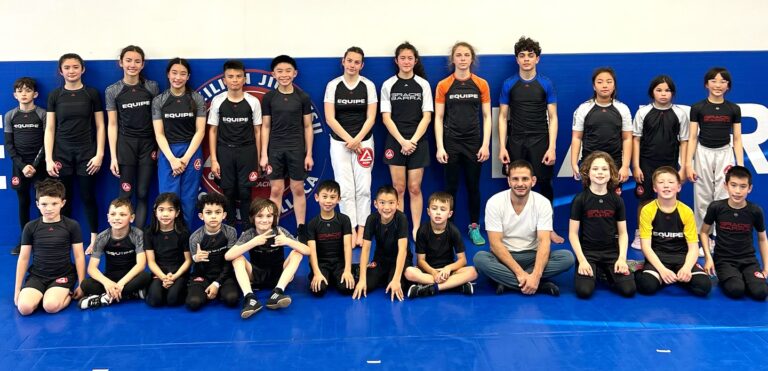
Jiu-Jitsu is practiced with many partners. Meeting different classmates helps a new student become familiar with the group and see that each person brings a different pace and perspective. An article on the social side of Jiu-Jitsu explores why that shared setting matters. The IBJJF also discusses how training partners form connections through practice.
Offer Help That Leaves Room to Learn
Before class, choose one thing you can offer comfortably: a greeting, an answer about where to go, or a calm partner for the assigned drill. During class, follow the instructor’s lead. Afterward, ask whether the person has any questions rather than giving an unsolicited review of their performance.
If the newcomer wants to return, they may ask about another class or a suitable time. You can help them find the current schedule and leave the decision to them. A friendly teammate can make the next visit easier to imagine without turning the first visit into a commitment.
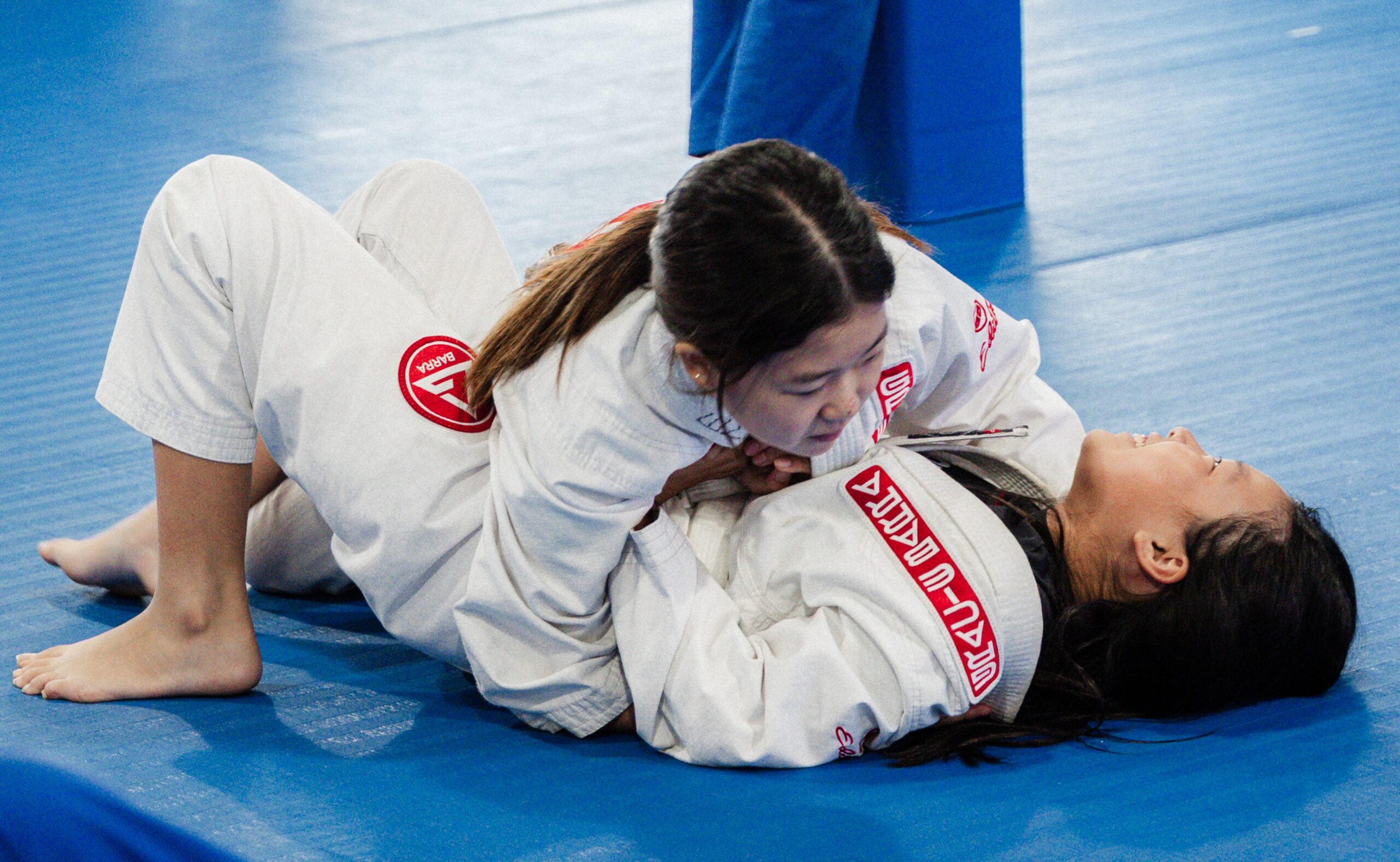
What a Welcoming Class Feels Like in Practice
Imagine you have just finished a partner drill with someone new. Instead of explaining everything they could improve, you thank them, ask whether they would like to repeat the assigned movement, and signal for the instructor if either of you is uncertain. When the next activity begins, you help them find where to go.
Those actions do different jobs: the greeting creates familiarity, a calm practice pace supports the lesson, and the question gives the newcomer a voice. You have helped them take part without making yourself responsible for their whole experience. That balance is what makes a welcome feel natural.
DISCOVER Gracie Barra Morgan Hill
CLICK HEREHelp Someone Feel Ready to Return
To welcome a new BJJ teammate, start with a hello, help with a practical detail, practice at the class pace, make room for questions, and include them as partners change. None of these actions requires a speech. Each gives a new student a clearer way to participate.
At Gracie Barra Morgan Hill, we can answer questions about an appropriate first class and introduce newcomers to our team. Contact us to arrange a first visit and meet the people you may share the mats with.